

The organiser’s job is to turn those moving parts into one accurate request. This guide provides a framework for the table, timing and menu, with Venice Albany as a practical Italian dining option in central York Street.
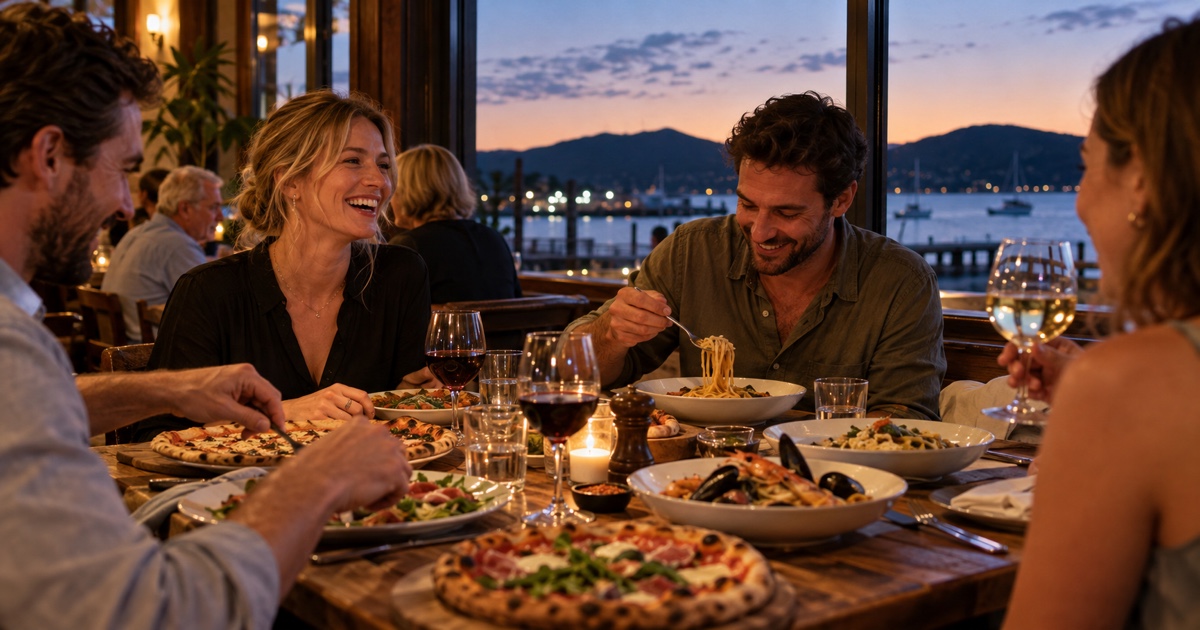
Create one group brief before contacting restaurants
Record the preferred date, arrival time, realistic number of diners and purpose of the gathering. Distinguish confirmed guests from invitations awaiting replies. Include the number of children and any access, seating or dietary needs that could affect the venue’s answer.
Choose one contact person. Multiple relatives or colleagues sending different numbers can create avoidable errors. The organiser should keep the current version and tell the venue when it replaces an earlier estimate.
Define the meal’s fixed points. A birthday toast, theatre time, coach departure or child’s bedtime may matter more than whether everyone orders the same course. Share those constraints early so the restaurant can explain what is realistic.
Match the table to the way people will interact
A long table can keep a group together but limits conversation between the ends. Two nearby tables may improve service or access but feel less unified. Ask what arrangement the restaurant recommends for the actual number rather than requesting a shape seen in an unrelated photograph.
Think about mobility, prams, highchairs and who needs a quieter or more accessible position. Do not collect personal medical detail the venue does not need. Describe the practical requirement, such as step-free access or space for a mobility aid, and ask what can be provided.
Seat the organiser where they can communicate with staff without controlling every conversation. If one person will make a speech or distribute a cake, explain that plan. Confirm any outside food or decoration policy rather than arriving with assumptions.
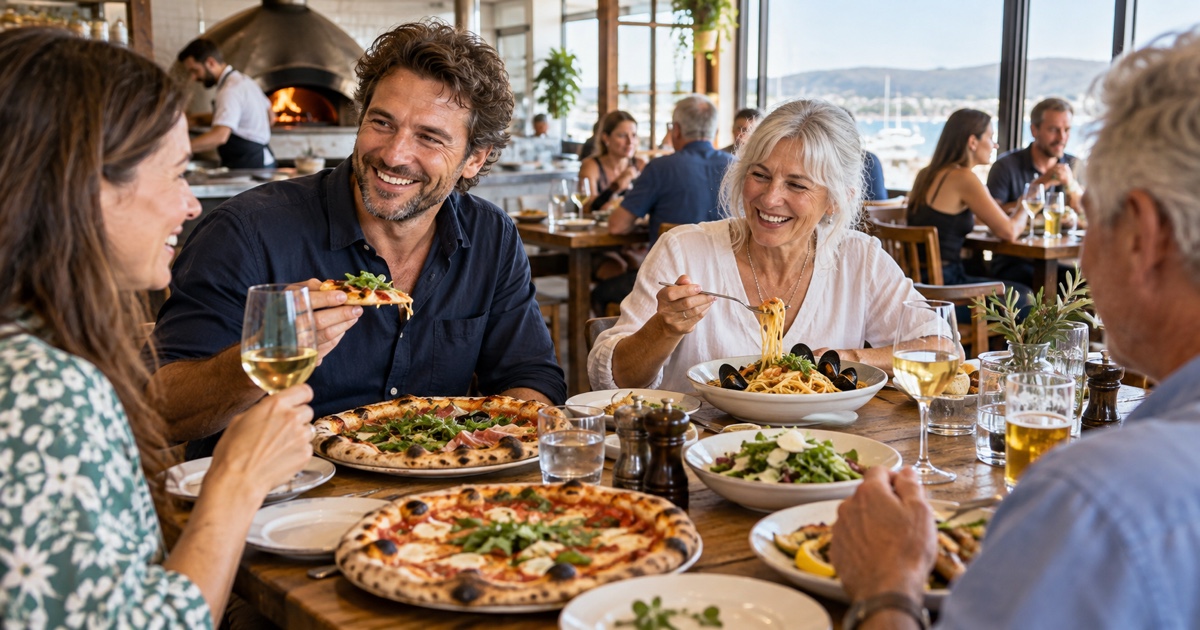
Choose between individual ordering, sharing and a planned menu
Individual ordering gives each diner control but can take longer when a large table reads the menu from the beginning. Sharing creates variety but requires agreement about quantities and dietary separation. A planned function menu may simplify service for a bigger or more formal event.
Venice’s menu spans pizza, pasta and risotto, seafood, meat and poultry, salads, sides, children’s meals and drinks. That breadth can help a mixed group, yet it should not be mistaken for confirmation that every dietary requirement can be met. Ask about the exact guest and dish.
For shared dining, choose contrast: different pizza toppings, perhaps a pasta, and a salad or vegetable side. Reserve enough of a suitable dish for anyone relying on it. A vegetarian plate should not disappear as a general sample before the vegetarian guest has eaten.
Discuss budget without making the table uncomfortable
Tell guests whether they will choose their own meal, contribute equally or attend a hosted event. Shared starters and drinks can complicate itemised calculations, so agree on the approach before ordering. Ask the restaurant which payment methods and bill-splitting arrangements are currently available.
A menu price is not the only planning figure. Include drinks, sides, any function arrangement and transport. Avoid promising a per-person total until the venue has confirmed the actual proposal. For a private event, request written inclusions so different suppliers can be compared fairly.
If the group needs strict cost control, a focused menu may be easier than unrestricted ordering. That is a conversation to have with the restaurant, not a package to invent from public dish prices.
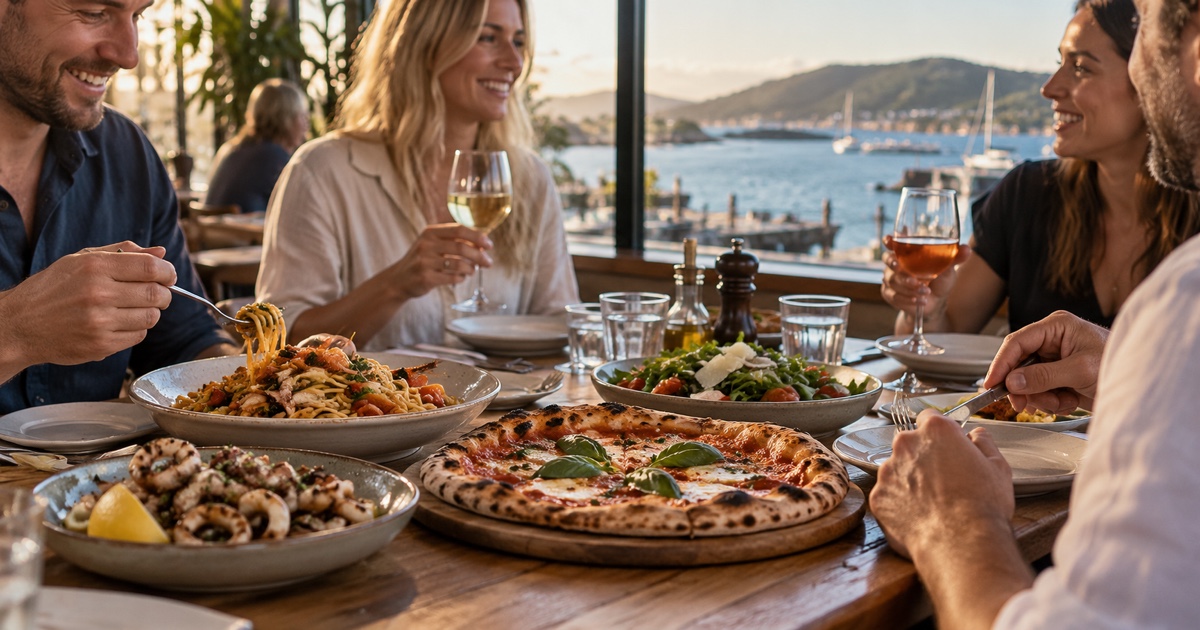
Use a timeline that respects Albany logistics
Work backwards from any fixed finish. Allow time for parking or walking, greetings, ordering, service and payment. Venice’s central location at 179 York Street may connect conveniently with accommodation or events, but each guest still needs clear directions and an arrival target.
Send a reminder on the day with the venue name, address, booking name and time. Do not include every historic message. Ask late guests to contact the organiser rather than repeatedly changing the restaurant’s information.
For a standard meal, use the official booking page. For private dining, group packages or exclusive venue hire, review Functions & Catering and make a specific enquiry. Those are different planning paths.
Four common group-booking mistakes
- Booking the invitation count: distinguish invited, expected and confirmed guests.
- Hiding dietary questions in a group chat: send one accurate list to the venue and confirm changes.
- Assuming every dish will arrive together: discuss service and sharing for the selected menu.
- Leaving payment until the final minute: agree on the group’s approach and ask what the restaurant supports.
Adjust the framework for three common groups
A family birthday
Prioritise children’s timing, comfortable access for older relatives and a clear plan for cake or speeches. A mix of shared pizza and individual choices can keep the table connected without forcing everyone into one menu.
A workplace dinner
Confirm whether the organisation is hosting, what budget rules apply and who can approve extras. Keep dietary information professional and limited to what the restaurant needs. If a meeting precedes dinner, allow a realistic transition.
A visiting tour group
Give the organiser’s mobile number, coach or transport timing and the final count. A focused menu or pre-arranged service may be more practical than asking a large group to begin reading at arrival. Confirm storage or access for luggage rather than placing it in service paths.
Each scenario still needs one current confirmation. Save the booking response, note the final number and tell guests what has actually been arranged. A restaurant cannot plan from private assumptions that never reach the booking contact.
Review the brief once more on the morning of the meal so any genuine change can be communicated before guests begin travelling.
The organiser’s final check
- Final date, time and booking name
- Confirmed adults and children
- Practical seating and access requirements
- Accurate dietary information
- Individual, shared or planned-menu format
- Any speech, cake or fixed departure time
- Payment expectations communicated to guests
- One current confirmation saved by the organiser
Choose the restaurant that fits the group’s real task
The most suitable Albany restaurants for a group are those that can answer the actual brief. Headcount, table design, menu format and timing create the experience together. Organise those details before comparing decorative features or star ratings.
Planning an Italian group meal? Explore the Venice menu, make a table reservation, or enquire through Functions & Catering for a more structured occasion.
Frequently asked questions
How early should a group book?
It depends on the size, date and required arrangement. Larger groups, weekends and celebrations justify earlier contact.
Should a group pre-order?
Ask the restaurant. Pre-ordering may help some events, while ordinary table service may allow ordering on arrival.
Can everyone pay separately?
Do not assume. Confirm the restaurant’s current payment and bill-splitting options, then tell guests before the meal.
When does a group dinner become a function?
There is no universal number. Private space, special menus, drinks packages, speeches and exclusive use are signs that a function enquiry may be more appropriate.