

Use this risk-to-action guide to identify the small uncertainties that matter and convert each one into a practical check. The aim is not to remove surprise; it is to protect the parts of the meal that should not be surprising.
Risk: the restaurant is Italian, but the menu does not fit the group
The word Italian covers many dishes and dining styles. Review the current Venice menu and note at least one realistic option for each diner. Pizza and pasta may be central, while seafood, meat, poultry, salads and children’s choices can make the table work for people who want something different.
Action: share the menu link before booking and ask people to raise requirements, not to submit final orders. That keeps the decision efficient without turning a relaxed meal into a preselected function menu.
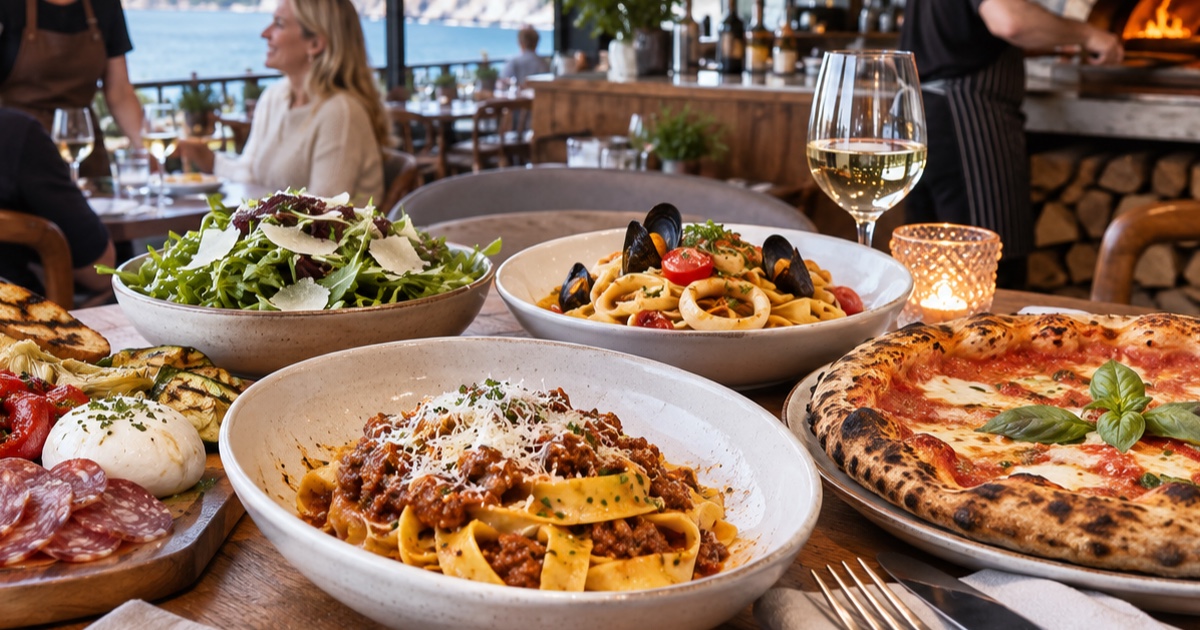
Risk: a dish seen online is unavailable on the date
Seasonal ingredients, seafood supply and daily choices can change. Blog photographs and old social posts are inspiration rather than a live inventory. Even a permanent menu can be updated as suppliers, prices and kitchen planning change.
Action: use official current information and contact the restaurant if one specific dish is essential to the occasion. Keep a second appealing option in mind so the evening does not depend on a single plate.
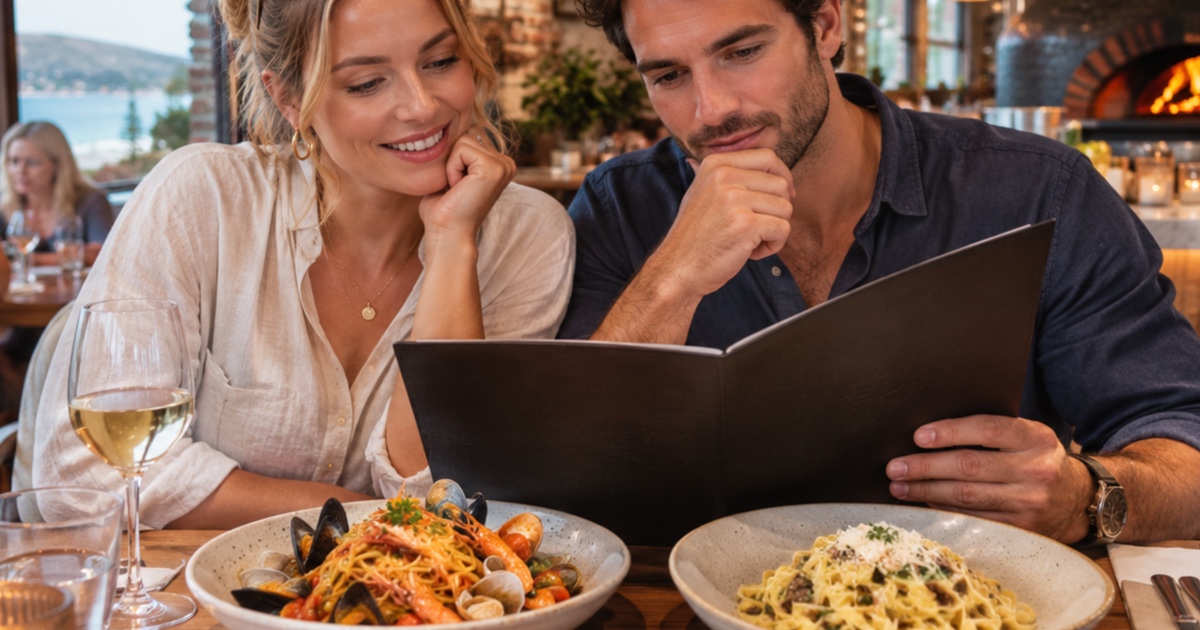
Risk: every diner orders the same rich flavour profile
A table of creamy pasta, cheese-heavy pizza and bread can be enjoyable, but accidental repetition may feel heavier than expected. Read the full combinations and think about acidity, vegetables, seafood, salad and texture across the shared meal.
Action: choose contrast deliberately. One fresh starter or salad can balance richer mains, and a tomato-based pasta can sit differently beside a cheese-led pizza. Balance is an option, not a rule about what Italian food must look like.
Risk: broad dietary labels hide the real question
Gluten free, vegetarian and allergy-aware are not synonyms. A menu marker may identify a recipe characteristic without describing every kitchen surface or supplier detail. Diners should not be pressured to accept an assumption because the group is ready to book.
Action: state the exact condition, ingredient and preparation concern before the visit. Ask about the exact dish and listen to any limitation in the answer. If the information is not sufficient for the diner’s comfort, choose another option.
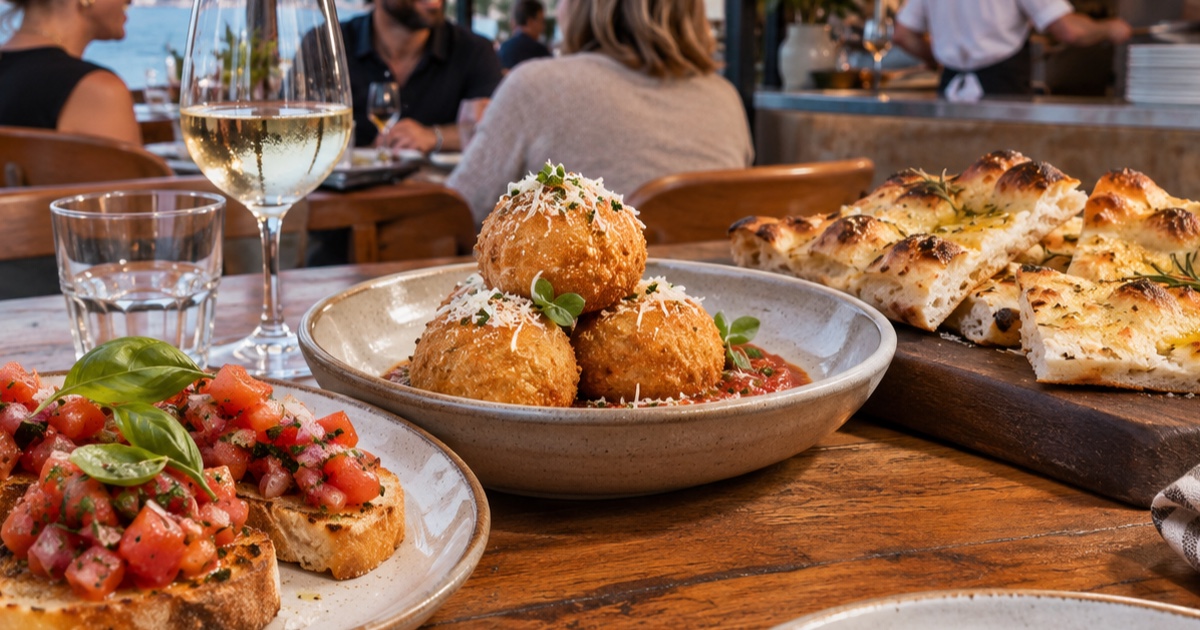
Risk: the meal does not fit the day’s timetable
Lunch between activities, a pre-show dinner and a birthday gathering require different pacing. The restaurant cannot infer a deadline from the booking time alone. Wood-fired pizza may bake quickly, yet starters, mixed mains and conversation still take time.
Action: select a realistic reservation, mention a hard finish time and reduce the number of planned courses when the window is short. For a leisurely occasion, protect enough time that the table is not watching the clock.
Risk: an ordinary table is used for an event-sized plan
A reservation confirms seats; it does not necessarily include a private space, custom menu, drink package or exclusive service. Larger birthdays, corporate dinners and celebrations need a different conversation.
Action: review Venice’s Functions & Catering page and submit an enquiry with date, numbers and event type. For a normal meal, use the booking page and keep the confirmation.
Build a small risk register before booking
A useful way to finish a italian food near me decision is to list the three things that could genuinely spoil the plan. They may be an unsuitable menu for one guest, an arrival time the group cannot meet, or a service format that does not fit the occasion. Give each risk one owner and one action. The organiser can confirm the booking, the diner with a dietary requirement can approve the information they receive, and another person can coordinate transport. Apply this point to the specific italian food near me decision rather than to a generic restaurant plan.
Also write a fallback that remains acceptable. A second menu choice, a later reservation or a switch from dine-in to takeaway can keep the evening moving when availability changes. A fallback is not pessimism; it prevents one small change from forcing twenty rushed messages. Keep it simple enough that the group can use it without another long debate. Apply this point to the specific italian food near me decision rather than to a generic restaurant plan.
Finally, decide when the plan becomes fixed. After that point, changes should be necessary rather than casual, and the venue should hear about them promptly. That boundary protects staff preparation and gives the group a single version of the plan. Apply this point to the specific italian food near me decision rather than to a generic restaurant plan.
Review the register once more on the day rather than continually reopening it. Confirm that the key risks have an answer, then stop managing the meal and allow the experience to unfold. A practical plan creates space for hospitality; it should not make diners behave like project managers at the table. Apply this point to the specific italian food near me decision rather than to a generic restaurant plan.
If the venue cannot satisfy one requirement, respond to the information rather than arguing with it. Change the dish, service type, time or venue while there is still room to do so. Early clarity is valuable even when it leads to a different plan, because it avoids disappointment at the table. Apply this point to the specific italian food near me decision rather than to a generic restaurant plan.
Final checks before you commit
- Share the current official menu with the group.
- Identify one suitable option for every diner.
- Treat old photographs as inspiration, not availability.
- Create contrast when the table is sharing dishes.
- Replace dietary labels with exact questions.
- Match the number of courses to the time available.
- Use a function enquiry for event-sized needs.
- Save and recheck the final reservation details.
The most useful Italian food near me search ends with a plan that fits the diners, not simply a list of dishes. Check current information, convert uncertainty into a question and reserve the format that matches the occasion. Browse the menu, book a table, or explore event and catering options with Venice in central Albany.
Frequently asked questions
What should I check first when choosing Italian food in Albany?
Check the current menu for suitable choices across the whole group, then confirm the date, service period and any essential dietary or access requirement.
Are menu photos proof that a dish is currently available?
No. Images may come from a past menu, special or seasonal period. Use current official information and ask when a particular dish is essential.
How can a group avoid ordering too much similar food?
Compare sauce styles, toppings and textures before finalising. Mix familiar and contrasting dishes, and ask staff for portion guidance for the actual group.
When does a dinner need a function enquiry?
Use an enquiry when you need private space, a custom menu, a drink package, exclusive use or planning beyond an ordinary table reservation.