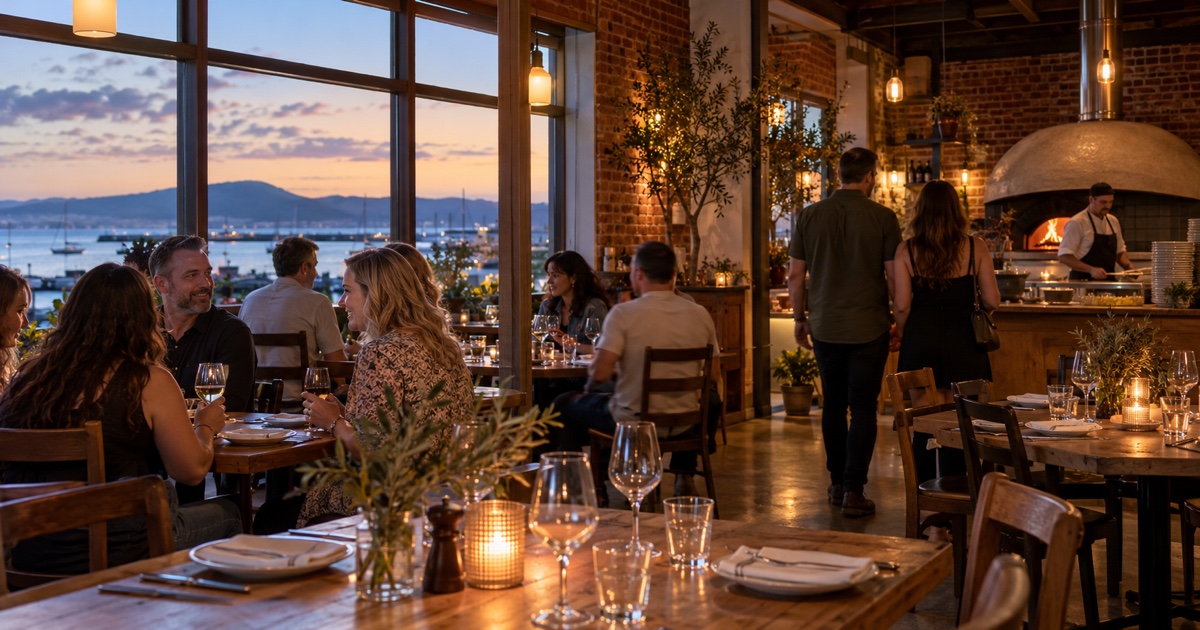
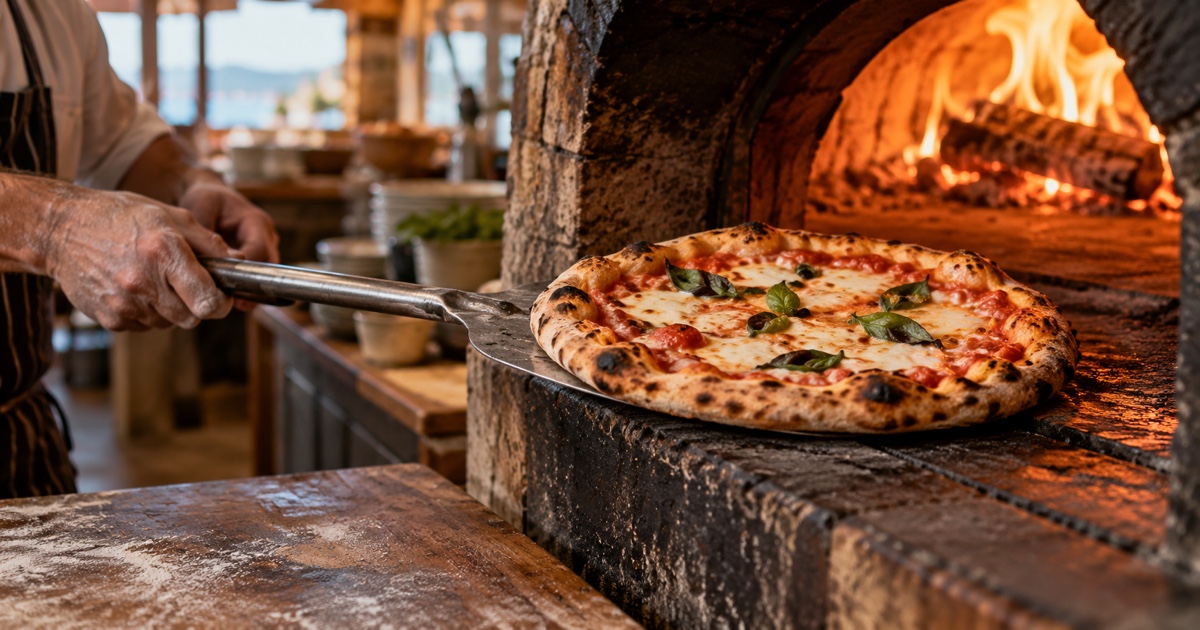
That makes dining more flexible than many first-time guests expect. A couple can share a starter and order separate mains. A family can combine pizza, pasta and children’s meals. A group can ask how the kitchen prefers to pace several dishes. The aim is a comfortable table, not a performance.
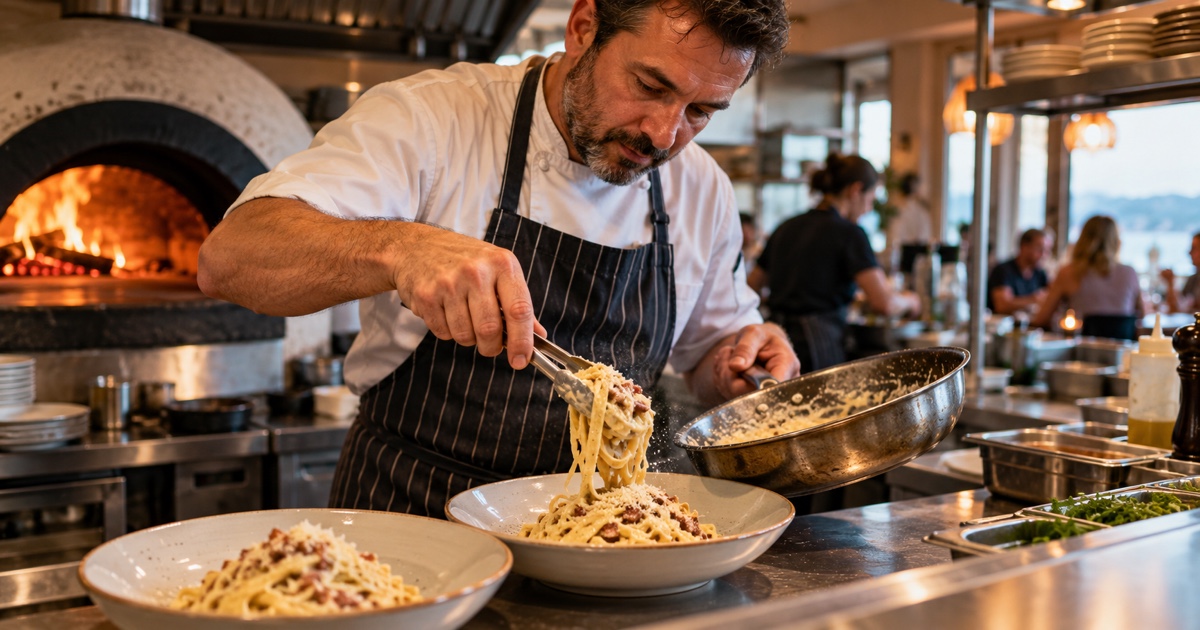
Sharing is an arrangement, not an automatic rule
Some Italian food is easy to place in the centre of a table, but that does not make every order communal. Ask before taking a slice from another diner’s pizza or tasting their pasta. A simple “Would you like to share these?” at the ordering stage prevents awkwardness later.
When the answer is yes, take a small first portion. Everyone can return for more, and the food remains recognisable instead of becoming a crowded mixture on one plate. Keep any serving utensil with its original dish. If a diner has a confirmed allergy or other dietary need, follow the arrangement agreed with the restaurant rather than passing utensils between plates.
Individual ordering can be equally sociable. People do not need identical food for the meal to feel shared. Conversation, timing and the willingness to make room on the table matter more than whether every person tastes every dish.
Courses are a useful option, not a compulsory sequence
Traditional Italian meal vocabulary can describe several stages, but an Australian restaurant visit may be much simpler. Diners commonly choose a starter and main, share pizza and pasta together, or order one substantial plate. Follow the menu and the restaurant’s service rather than assuming a formal sequence is required.
If you want dishes in a particular order, say so when ordering. Asking for a starter to arrive before the mains is clear. Ordering several plates and expecting staff to infer a private sequence is less reliable. For a group, decide whether everyone wants mains together or whether shared dishes can arrive as they are ready.
Pacing depends on the occasion. A date night may benefit from time between dishes, while a pre-event dinner needs a more direct plan. Mention a genuine departure time at the beginning. Staff can then explain what is realistic and which menu choices fit the available window.
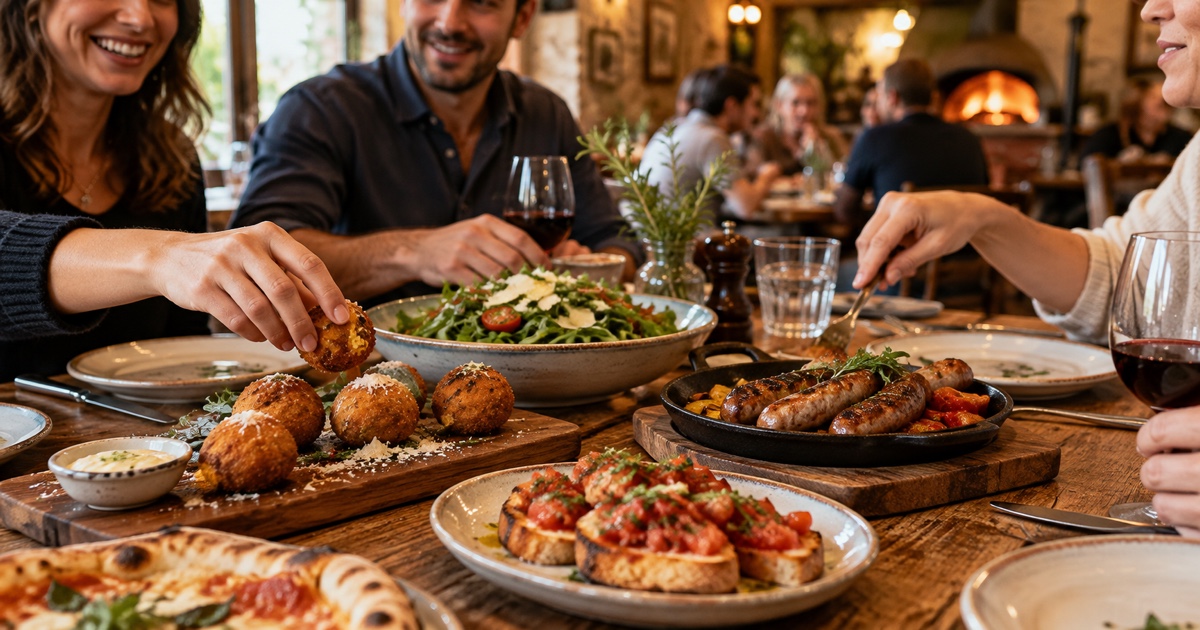
Small table habits make sharing easier
Keep phones, bags and unused items away from space needed for hot plates. Let staff place dishes before rearranging the table, and ask if you need an extra plate rather than balancing food on a napkin. These habits are not uniquely Italian; they simply help a busy meal run safely and smoothly.
Wait until everyone who ordered a main has food when that can be done without letting a hot dish deteriorate. If the restaurant explains that wood-fired pizzas will arrive progressively, the group can agree to begin with the first one. Courtesy is about including people, not applying a rigid pause to food that is best eaten promptly.
Use bread and sides as food, not equipment for rebuilding the table. If you enjoy using bread with sauce, do so neatly on your own plate. There is no need to imitate a gesture because it appeared in a travel video. Comfortable dining usually looks understated.
Questions are welcome when they help the kitchen understand the order
Ask concise questions linked to a decision. “Does this pasta contain seafood?” or “Can you explain the sauce?” is easier to answer than “What is good?” The Venice menu is a useful preview, and the restaurant can clarify current details that the written description does not cover.
For allergies, intolerances and medically necessary diets, use precise language. Do not soften an allergy into a preference or describe a preference as an allergy. Ask about the particular dish, preparation and cross-contact that matter to you, then decide using the answer provided. A menu marker alone cannot describe every kitchen process.
Reasonable requests are part of hospitality, but not every dish can be redesigned without affecting how it is prepared. Ask whether a change is possible and accept a clear answer. Often the better solution is choosing another item already suited to the need.
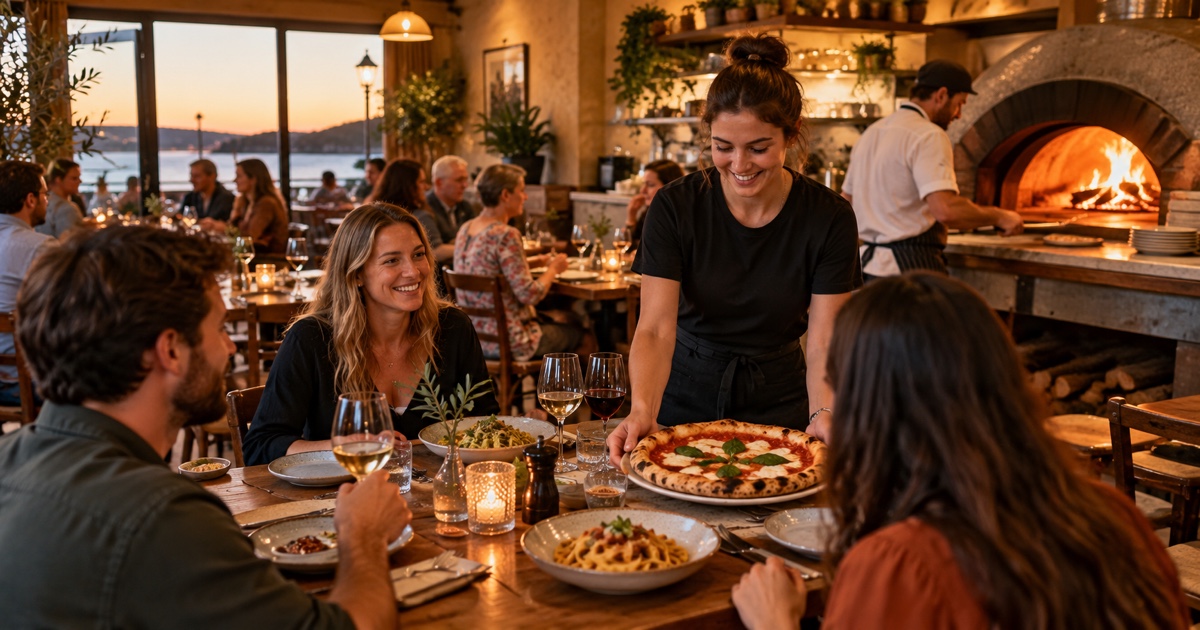
Read service signals without rushing the table
When you need assistance, make brief eye contact or a small hand gesture. Calling across the room or repeatedly waving objects is unnecessary. If the restaurant is busy, have the table’s next question or order ready so several separate requests do not compete with service.
Let staff know promptly if something is incorrect. Identify the dish and the issue calmly while it can still be checked. Waiting until the end and then presenting a surprise complaint limits the restaurant’s ability to respond. Similarly, if the table is enjoying the meal slowly, a polite indication helps distinguish that choice from uncertainty.
Good hospitality is a two-way exchange. Staff provide information and service; diners give accurate booking details, arrive reasonably close to the agreed time and communicate changes. That is more meaningful than performing a rule about which fork belongs to which course.
Bookings, cancellations and splitting the bill
Reserve when the group size, date or timing makes certainty important. Venice offers an official booking page. If numbers change, update the restaurant as soon as practical. A table prepared for eight and used by four affects more than the empty chairs.
Discuss payment within the group before requesting the bill. One payment, equal division and itemised splitting create different workloads and may not all be available. Ask what the venue can accommodate, then have cards or transfers organised. Reconstructing who tasted each shared dish after the bill arrives is rarely a good ending.
For functions or a large celebration, standard dining etiquette is not enough to define the service. Use the functions information to begin a conversation about menus, drinks, private spaces and responsibilities for the event.
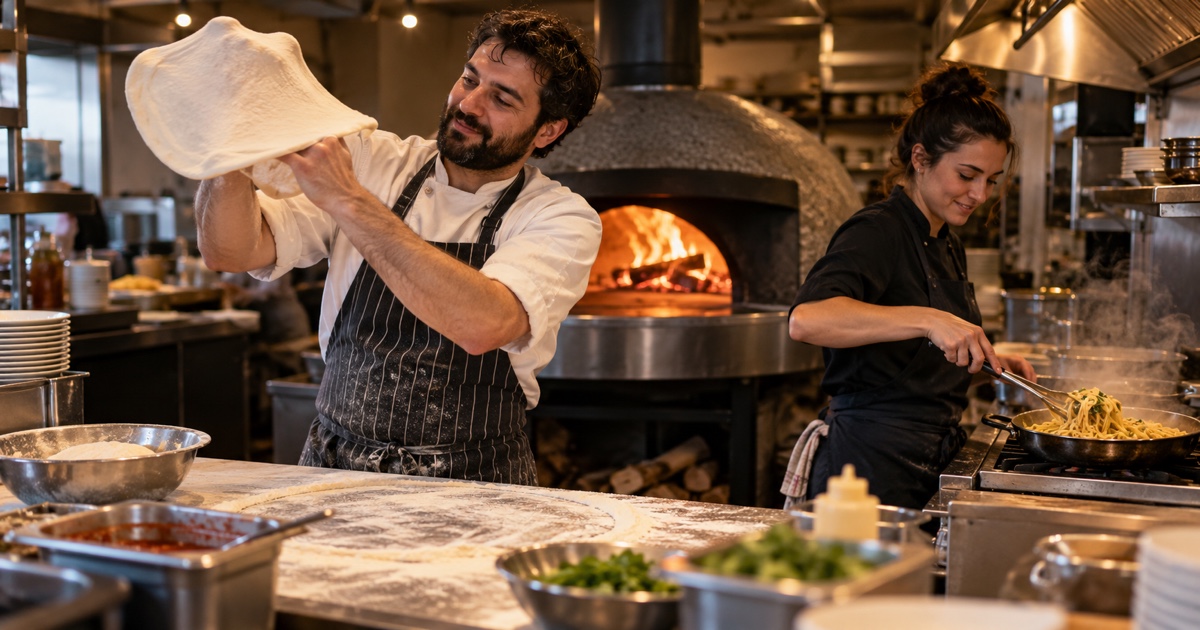
Formal myth versus useful practice
| Common worry | More useful practice |
|---|---|
| Every dish must follow a formal course order. | Tell the restaurant how you want the meal paced. |
| Pizza is always individual or always shared. | Agree on the arrangement before the first slice. |
| Questions reveal inexperience. | Specific questions help staff explain the menu. |
| Dietary needs can be inferred from a dish name. | State the requirement and ask about the exact dish. |
| The bill can be solved at the final second. | Ask about payment options and organise the group early. |
Comfort is the best guide
The most valuable Italian restaurant etiquette in Australia is practical: respect other diners, communicate clearly and let the food be served in a way that suits the occasion. Sharing and courses are choices, not examinations. When the table understands its plan, everyone can relax.
Experience Italian dining in central Albany. Browse the Venice menu, book your table, or contact the restaurant with a specific question before visiting.
Frequently asked questions
Is it rude to share pasta?
No, provided the diners agree and serve it neatly. Ask for sharing plates or utensils if they would help.
Should I wait for every pizza to arrive?
Ask how the restaurant expects the order to be served. If pizzas arrive progressively, the group can agree to begin while they are hot.
Can I ask for a menu change?
You can ask whether a change is possible. Accept that some preparations are fixed and another dish may be a better choice.
When should I mention an allergy?
Mention it before ordering and identify the exact requirement. If the answer affects whether you can dine safely, contact the restaurant before the visit.